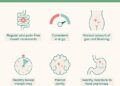
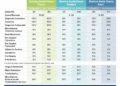
Exploring the intricacies of maintaining hormonal balance through lifestyle and nutrition, this guide offers valuable insights and practical tips for enhancing overall well-being. From dietary changes to the impact of exercise and stress reduction, readers will uncover a holistic approach to hormonal health.
Delve deeper into the role of macronutrients and micronutrients, understand the importance of seeking professional help for hormonal issues, and discover herbal remedies and supplements that can support hormonal balance.
Lifestyle Changes for Hormonal Balance

To maintain hormonal balance, it is essential to make certain lifestyle changes that can positively impact your overall well-being.
Dietary Changes for Hormonal Balance
- Include plenty of fruits and vegetables in your diet as they are rich in vitamins, minerals, and antioxidants that support hormonal health.
- Consume healthy fats like avocados, nuts, and seeds to help regulate hormone production.
- Avoid processed foods, sugary snacks, and excessive caffeine as they can disrupt hormonal balance.
- Stay hydrated by drinking an adequate amount of water throughout the day to support hormonal function.
Lifestyle Habits Supporting Hormonal Health
- Get an adequate amount of sleep each night to allow your body to regulate hormone levels effectively.
- Practice stress-reducing techniques such as meditation, deep breathing, or yoga to lower cortisol levels and improve hormonal balance.
- Avoid exposure to toxins in the environment by choosing natural skincare products and household cleaners.
Impact of Regular Exercise on Hormonal Balance
Regular physical activity, such as cardio, strength training, or yoga, can help regulate hormone levels in the body. Exercise boosts endorphins, reduces stress, and improves overall hormonal function.
Strategies for Reducing Stress to Improve Hormonal Function
- Make time for relaxation and self-care activities to reduce stress levels and support hormonal balance.
- Engage in hobbies or activities you enjoy to promote a sense of well-being and lower cortisol levels.
- Socialize with friends and family to build a support system that can help you cope with stress effectively.
Nutrition Guide for Hormonal Balance
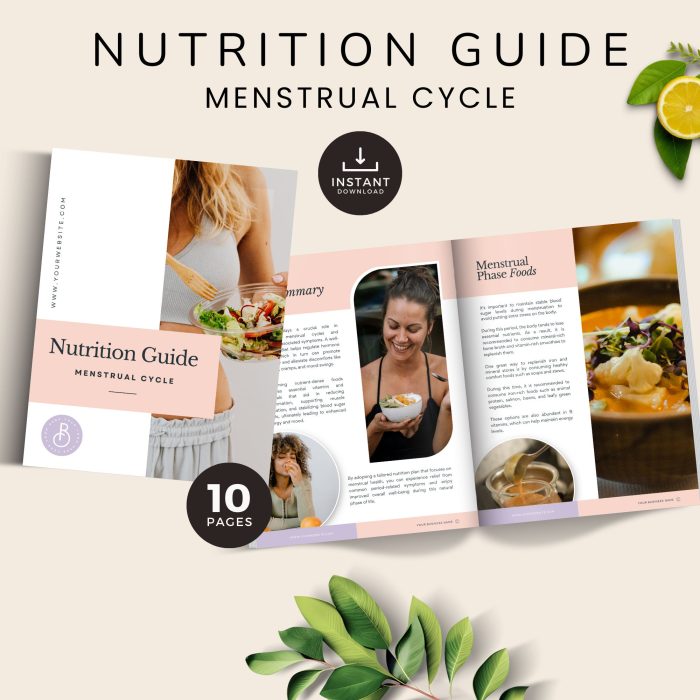
Eating a well-balanced diet plays a crucial role in maintaining hormonal balance in the body. Here's a breakdown of the different nutrients and their impact on hormonal health:
Macronutrients and Hormonal Health
Macronutrients such as carbohydrates, proteins, and fats are essential for hormone production and regulation. Carbohydrates provide energy for hormone synthesis, while proteins are necessary for building hormones and enzymes. Healthy fats, like omega-3 fatty acids, support hormone function. Including a balance of these macronutrients in your diet is key to maintaining hormonal balance.
Micronutrients for Hormonal Balance
In addition to macronutrients, micronutrients like vitamins and minerals are also crucial for hormonal health. Some important micronutrients include vitamin D, vitamin B6, magnesium, and zinc. These nutrients play a role in hormone production, metabolism, and signaling. Ensuring an adequate intake of these micronutrients through a varied diet can help support hormonal balance.
Foods to Regulate Hormones Naturally
Leafy greens
Rich in magnesium and vitamin B6, essential for hormone production.
Fatty fish
a good source of omega-3 fatty acids that support hormone function.
Nuts and seeds
provide zinc and healthy fats crucial for hormonal health.
Lean proteins
like chicken and tofu for amino acids needed for hormone synthesis
Whole grains
complex carbohydrates that provide sustained energy for hormone balance.
Tips for Meal Planning for Hormonal Health
When planning your meals for hormonal balance, focus on incorporating a variety of nutrient-dense foods. Include a source of lean protein, healthy fats, and complex carbohydrates in each meal. Aim for balanced meals that provide a mix of macronutrients and micronutrients essential for hormonal health.
Additionally, staying hydrated and avoiding processed foods high in sugar and unhealthy fats can further support your hormone balance.
Hormonal Imbalance Symptoms and Diagnosis
Identifying hormonal imbalance symptoms is crucial in understanding the underlying issues affecting men and women. These symptoms can vary depending on the specific hormones involved and may manifest differently in different individuals.
Common Signs of Hormonal Imbalance
- Irregular menstrual cycles in women
- Weight gain or difficulty losing weight
- Changes in libido
- Fatigue and low energy levels
- Mood swings and irritability
Importance of Seeking Professional Help
It is essential to consult a healthcare provider if you suspect a hormonal imbalance. Professional help can lead to proper diagnosis, treatment, and management of hormonal issues, improving overall well-being and quality of life.
Diagnostic Tests for Hormonal Imbalances
Healthcare providers may use various diagnostic tests to determine hormonal imbalances, including:
- Blood tests to measure hormone levels
- Saliva tests for cortisol levels
- Thyroid function tests
- Ultrasound or imaging tests to assess reproductive organs
Lifestyle and Nutrition Impact on Hormonal Symptoms
Healthy lifestyle choices and proper nutrition play a significant role in managing hormonal symptoms. Factors such as regular exercise, balanced diet, stress management, and adequate sleep can positively influence hormonal balance and alleviate symptoms of imbalance.
Herbal Remedies and Supplements for Hormonal Balance
Herbal remedies and supplements play a crucial role in supporting hormonal health by providing the body with essential nutrients and compounds that can help regulate hormone levels.
Supplements for Hormonal Balance
Supplements that can help balance hormones include:
- Omega-3 fatty acids: Known for their anti-inflammatory properties, omega-3 fatty acids can help reduce inflammation and support hormonal balance.
- Vitamin D: Plays a key role in hormone production and regulation, supporting overall hormonal health.
- Magnesium: Important for enzyme function and hormone production, magnesium can help maintain balanced hormone levels.
Importance of Consulting a Healthcare Provider
Before taking any supplements for hormonal balance, it is crucial to consult a healthcare provider. They can help determine the right dosage, potential interactions with medications, and ensure that the supplements are safe and appropriate for your individual health needs.
Herbal Teas for Hormonal Balance
Herbal teas can also be beneficial for hormonal balance, such as:
- Chamomile tea: Known for its calming properties, chamomile tea can help reduce stress and support hormonal balance.
- Spearmint tea: Can help lower androgen levels in the body, potentially benefiting those with hormonal imbalances.
Wrap-Up
In conclusion, prioritizing lifestyle and nutrition choices can significantly impact hormonal balance. By implementing the strategies discussed in this guide, individuals can take proactive steps towards achieving optimal hormonal health and overall wellness.
Common Queries
What dietary changes can help balance hormones?
Consuming a diet rich in whole foods, healthy fats, and lean proteins while minimizing processed foods and sugars can support hormonal balance.
How does stress affect hormonal function?
Chronic stress can lead to hormone imbalances by increasing cortisol levels, disrupting the endocrine system's normal functioning.
What are common signs of hormonal imbalance in women?
Irregular periods, acne, weight gain, and mood swings are common symptoms of hormonal imbalance in women.
Why is it important to consult a healthcare provider before taking supplements?
Healthcare providers can offer personalized advice based on individual health conditions and prevent potential interactions with medications.