Exploring the world of telehealth platforms tailored for global users unveils a realm of convenience and innovation. From bridging healthcare gaps to enhancing accessibility, these platforms have reshaped how individuals receive medical care. Let's delve into the realm of the best telehealth platforms for global users.
Overview of Telehealth Platforms
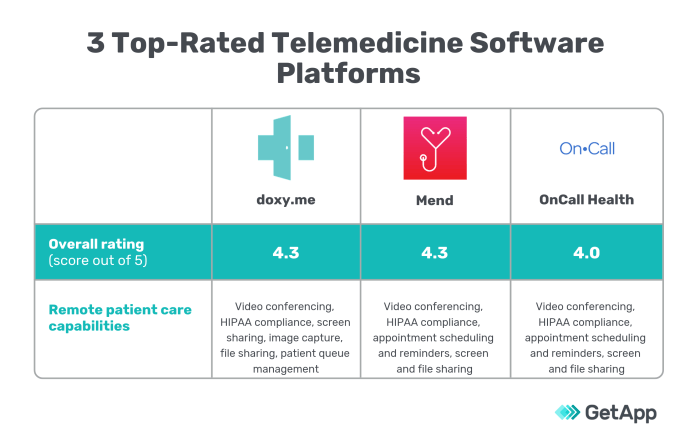
Telehealth platforms refer to online platforms or applications that enable users to access healthcare services remotely, through virtual consultations with healthcare providers. These platforms have become increasingly important in global healthcare, especially in recent years.Telehealth platforms offer numerous benefits for both users and healthcare providers.
For users, they provide convenient access to medical care from the comfort of their own homes, saving time and reducing the need for travel. Patients can schedule appointments easily, consult with healthcare professionals, and even receive prescriptions online. On the other hand, healthcare providers can reach a wider patient base, improve efficiency in delivering care, and reduce the burden on physical healthcare facilities.The use of telehealth platforms has revolutionized access to healthcare services worldwide.
It has bridged the gap between patients in remote or underserved areas and quality healthcare, making it easier for individuals to seek medical attention when needed. Additionally, telehealth platforms have played a crucial role in providing healthcare during emergencies, such as the COVID-19 pandemic, ensuring continuity of care while minimizing the risk of virus transmission.
Benefits of Telehealth Platforms
- Convenient access to healthcare services from anywhere
- Reduction in travel time and costs for patients
- Wider reach for healthcare providers to serve more patients
- Efficient delivery of care through virtual consultations
- Improved access to medical specialists and second opinions
Features to Consider
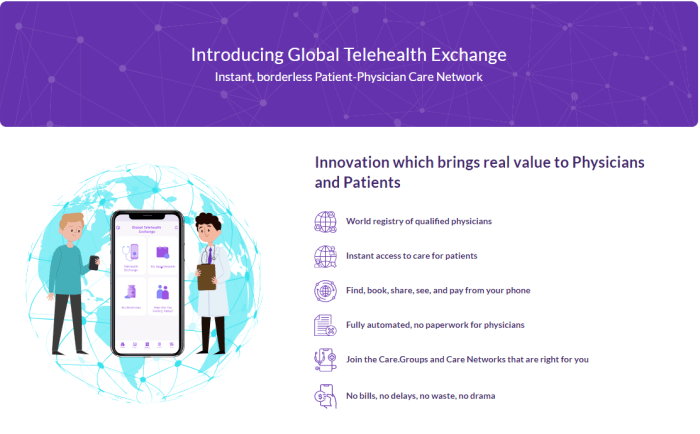
When choosing a telehealth platform, it is essential to consider the features that each platform offers to ensure that it meets your needs and preferences. From video consultations to prescription services, there are several key features to look out for when evaluating different platforms.
Video Consultations
One of the most important features of a telehealth platform is the ability to conduct video consultations with healthcare providers. This feature allows users to have face-to-face interactions with their doctors from the comfort of their own homes, making it convenient and accessible for patients around the world.
Secure Messaging
Another crucial feature to consider is secure messaging, which enables users to communicate with healthcare providers in a safe and confidential manner. This feature is particularly important for sharing sensitive information such as medical records or test results, ensuring patient privacy and data security.
Prescription Services
Some telehealth platforms offer prescription services, allowing healthcare providers to electronically send prescriptions to a user's preferred pharmacy. This feature streamlines the process of getting medications and ensures that users can easily access the medications they need without having to visit a physical pharmacy.
User-Friendly Interfaces
User-friendly interfaces play a significant role in the overall user experience of a telehealth platform. Platforms with intuitive interfaces make it easier for users to navigate the system, schedule appointments, and access necessary information, ultimately enhancing the usability and accessibility of the platform.
Multilingual Support
For global users, multilingual support is essential to ensure that language barriers do not hinder access to healthcare services. Telehealth platforms that offer multilingual support enable users from different linguistic backgrounds to communicate effectively with healthcare providers, making healthcare more inclusive and accessible for all
Security and Privacy Measures
When it comes to telehealth platforms, ensuring the security and privacy of user data is paramount. Let's delve into the security protocols and privacy measures implemented by top telehealth platforms to safeguard sensitive information.
Importance of End-to-End Encryption and HIPAA Compliance
- End-to-end encryption is essential in telehealth platforms as it ensures that all communication between users and healthcare providers is securely transmitted and cannot be intercepted by unauthorized parties. This encryption method protects sensitive information such as medical records, personal details, and conversations.
- HIPAA compliance is another crucial aspect of telehealth platforms. The Health Insurance Portability and Accountability Act (HIPAA) sets the standard for protecting sensitive patient data. Platforms that are HIPAA compliant adhere to strict guidelines to safeguard patient information and ensure confidentiality.
Ensuring Privacy of User Information and Medical Records
- Telehealth platforms employ robust security measures such as multi-factor authentication, data encryption, and secure servers to protect user information from cyber threats.
- Platforms also have strict privacy policies in place to govern the collection, use, and sharing of user data. This includes obtaining user consent before accessing any personal information and ensuring that data is only used for healthcare purposes.
- Medical records are securely stored in compliance with regulations to prevent unauthorized access. Access controls and audit trails are often implemented to track who views or modifies patient records, ensuring accountability and transparency.
Global Accessibility
Telehealth platforms have revolutionized the way healthcare services are delivered, breaking down geographical barriers and providing access to medical care from anywhere in the world. Let's delve into how these platforms cater to users globally.
Multilingual Support and Diverse Payment Options
Telehealth platforms recognize the importance of catering to users from different countries and regions, which is why many of them offer multilingual support. This feature ensures that users can access healthcare services in their preferred language, breaking down communication barriers and ensuring a seamless experience.In addition to multilingual support, telehealth platforms also provide diverse payment options to accommodate users from various parts of the world.
This flexibility allows users to pay for services in their local currency or through preferred payment methods, making healthcare more accessible to a global audience.
Challenges and Solutions in Providing Seamless Services Across Borders
One of the main challenges in providing telehealth services globally is ensuring compliance with different regulatory frameworks in various countries. Telehealth platforms need to navigate complex legal requirements and licensing regulations to operate across borders.To overcome these challenges, telehealth platforms often partner with local healthcare providers or establish subsidiaries in different countries.
This allows them to ensure compliance with local laws and regulations while still providing seamless services to users around the world.Overall, global accessibility in telehealth platforms is essential for ensuring that users from different countries and regions can access quality healthcare services conveniently and affordably.
Concluding Remarks
As we conclude our journey through the landscape of telehealth platforms, it becomes evident that the future of healthcare lies in the seamless integration of technology and patient care. The best telehealth platforms for global users not only prioritize accessibility and user experience but also uphold the highest standards of security and privacy.
FAQ Insights
How do telehealth platforms benefit users?
Telehealth platforms offer convenient access to healthcare services, reduce travel time, and enable remote consultations with healthcare professionals.
What are some essential features of top telehealth platforms?
Key features include video consultations, secure messaging for communication, prescription services, and user-friendly interfaces for a seamless experience.
How do telehealth platforms ensure data security?
Top platforms implement stringent security protocols, end-to-end encryption, and comply with HIPAA regulations to safeguard user data.
Do telehealth platforms offer multilingual support?
Many platforms do provide multilingual support to cater to global users who speak different languages.
What challenges do telehealth platforms face in delivering services across borders?
Challenges include regulatory differences, language barriers, and ensuring seamless payment options for users in various countries.