Delving into the realm of public and private health insurance in Asia uncovers a plethora of insights and contrasts that shape the healthcare landscape in the region. From coverage to accessibility, the distinctions between these two systems play a crucial role in determining the quality of care individuals receive.
Let's embark on a journey to unravel the nuances of public and private health insurance in Asia.
Overview of Public and Private Health Insurance
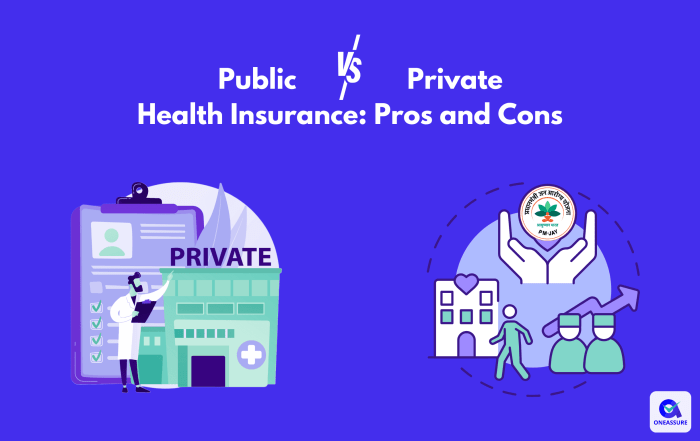
Public health insurance in Asia is typically government-funded and aims to provide basic healthcare services to all citizens. This system often covers a wide range of medical services and is funded through taxes or contributions from both employers and employees.Private health insurance in Asian countries, on the other hand, is usually purchased by individuals or companies to supplement or replace public coverage.
It offers additional benefits such as faster access to healthcare, more choices of doctors and hospitals, and coverage for specialized treatments not included in public plans.
Key Features of Public Health Insurance
Public health insurance systems in Asia typically cover essential medical services, including hospital stays, doctor visits, prescription drugs, and preventive care. These programs are designed to ensure that all citizens have access to basic healthcare services regardless of their financial status.
- Government-funded coverage for all citizens
- Basic medical services included
- Funded through taxes or contributions
- Universal access to essential healthcare
Key Features of Private Health Insurance
Private health insurance plans in Asia offer additional benefits beyond what public insurance provides. These plans often include coverage for elective procedures, alternative therapies, and services not covered by public programs. Individuals can choose their own doctors and hospitals, leading to more personalized care.
- Supplementary or alternative to public coverage
- Additional benefits like faster access to care
- More choices of doctors and hospitals
- Coverage for specialized treatments
Main Differences between Public and Private Health Insurance Systems
The primary differences between public and private health insurance in Asia lie in the coverage, cost, and accessibility of healthcare services. Public insurance focuses on providing essential care to all citizens, while private insurance offers more flexibility and personalized options for those who can afford it.
- Public insurance is government-funded, while private insurance is purchased individually or through employers
- Public insurance covers basic medical services, while private insurance includes additional benefits and customized options
- Public insurance aims for universal access to healthcare, while private insurance offers faster access and more choices
- Cost of public insurance is shared among taxpayers, while private insurance premiums are paid by individuals or companies
Coverage and Benefits
Public health insurance typically covers a range of essential medical services to ensure basic healthcare needs are met for the population. This includes but is not limited to outpatient visits, hospitalization, prescription medications, preventive care, and emergency services.
Types of Medical Services Covered under Public Health Insurance
- Outpatient visits for consultations and treatments
- Hospitalization for surgeries and inpatient care
- Prescription medications for chronic conditions
- Preventive care such as vaccinations and screenings
- Emergency services for immediate medical attention
Range of Coverage and Benefits in Private Health Insurance Plans
Private health insurance plans in Asia offer a wider range of coverage and benefits compared to public insurance. These plans often include additional services such as dental care, vision care, mental health services, and alternative therapies like acupuncture.
Comparison of Coverage Limits and Exclusions
| Aspect | Public Health Insurance | Private Health Insurance |
|---|---|---|
| Coverage Limits | Basic medical services with limited scope | Extensive coverage including specialized treatments |
| Exclusions | May exclude certain elective procedures or alternative treatments | Exclusions vary but may include high-cost experimental treatments |
Accessibility and Affordability
Accessibility and affordability of healthcare services play a crucial role in determining the overall health outcomes of a population. In Asian countries, the availability of public health insurance and the affordability of private health insurance are key factors that influence individuals' access to quality healthcare services.
Accessibility of Public Health Insurance
Public health insurance schemes in many Asian countries aim to provide coverage to a significant portion of the population. However, the accessibility of these schemes can vary widely depending on the country
On the other hand, in countries like India and Indonesia, the reach of public health insurance may be limited, leading to disparities in access to healthcare services.
Affordability of Private Health Insurance
Private health insurance in Asia is often seen as a complement to public health insurance, providing additional benefits and coverage options. The affordability of private health insurance can vary significantly depending on factors such as income levels, age, and pre-existing conditions.
While private health insurance may offer more flexibility and quicker access to specialized care, it can also be costly, making it inaccessible to lower-income individuals. In comparison to public health insurance, private health insurance tends to be more expensive, limiting its accessibility to a certain segment of the population.
Disparities in Access to Healthcare Services
Disparities in access to healthcare services based on the type of insurance coverage exist in many Asian countries. Individuals with public health insurance may face longer wait times for specialized treatments or procedures compared to those with private insurance. Moreover, individuals with private insurance may have access to a wider network of healthcare providers and facilities, leading to better healthcare outcomes.
These disparities highlight the importance of ensuring equitable access to healthcare services for all individuals, regardless of their insurance coverage.
Quality of Care and Provider Networks
When it comes to health insurance in Asia, the quality of care and provider networks play a crucial role in determining the effectiveness of the coverage individuals receive. Let's delve into how these aspects differ between public and private health insurance options in the region.
Quality of Healthcare Services under Public Health Insurance
- Public health insurance schemes in Asia often provide basic healthcare services to the general population, focusing on preventive care and essential treatments.
- The quality of care under public health insurance can vary significantly depending on the funding and resources allocated by the government to the healthcare system.
- Individuals may experience longer wait times for non-emergency procedures and limited access to specialized treatments under public health insurance.
Provider Networks for Public vs. Private Health Insurance
- Individuals with public health insurance typically have a restricted network of healthcare providers, often limited to public hospitals and clinics that accept government insurance.
- Private health insurance, on the other hand, offers a broader network of healthcare providers, including private hospitals, specialist clinics, and alternative medicine practitioners.
- The choice of healthcare providers under private health insurance allows individuals to access a wider range of services and receive care from specialists in various medical fields.
Impact on Individuals' Insurance Decisions
- The quality of care and provider networks can significantly influence individuals' decisions to opt for public or private health insurance in Asia.
- Those seeking more personalized care, quicker access to specialists, and a wider range of treatment options may prefer private health insurance for better quality of care.
- However, public health insurance remains a vital safety net for those who cannot afford private coverage, ensuring access to essential healthcare services despite potential limitations in quality and provider networks.
Final Review
As we conclude our exploration of the variances between public and private health insurance in Asia, it becomes evident that the choices individuals make regarding their healthcare coverage can significantly impact their overall well-being. Understanding these differences is key to making informed decisions about health insurance options in the region.
Questions and Answers
What types of medical services are covered under public health insurance?
Public health insurance typically covers essential medical services such as hospitalization, doctor visits, preventive care, and prescription medications.
Are there any disparities in access to healthcare services based on the type of insurance coverage?
Yes, disparities in access to healthcare services can exist based on whether individuals have public or private health insurance. Public insurance may have limitations in provider choices compared to private insurance.