Embark on a journey towards better heart health with the best lifestyle practices. Discover how simple changes in diet, exercise, stress management, and sleep can have a profound impact on your heart's well-being.
As we delve deeper into the components of a heart-healthy lifestyle, you'll uncover valuable insights on maintaining optimal heart health for a vibrant life.
Importance of Lifestyle for Heart Health
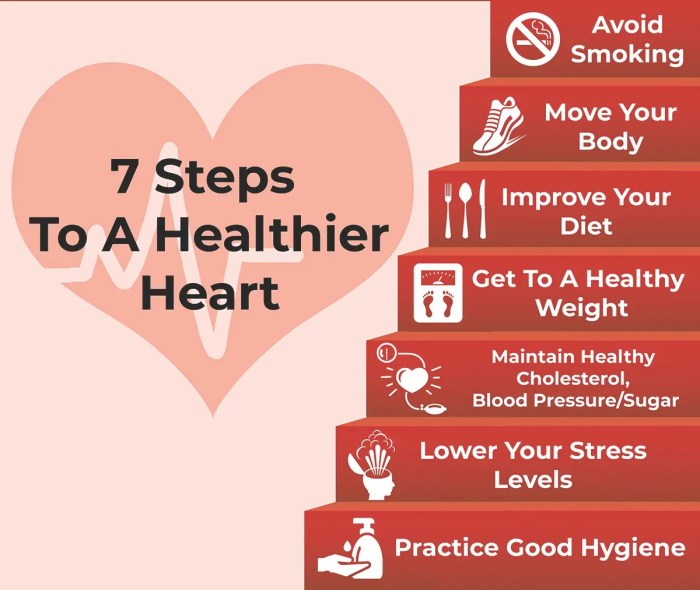
Maintaining heart health is crucial for overall well-being and longevity. Lifestyle choices play a significant role in determining the health of our heart and can impact it positively or negatively.
Diet
A healthy diet rich in fruits, vegetables, whole grains, lean proteins, and unsaturated fats can help lower the risk of heart disease. Avoiding processed foods, excessive salt, sugar, and saturated fats is essential for maintaining a healthy heart.
Exercise
Regular physical activity is key to a healthy heart. Exercise helps strengthen the heart muscle, improve circulation, lower blood pressure, and control cholesterol levels. Aim for at least 150 minutes of moderate-intensity exercise per week.
Stress Management
Chronic stress can take a toll on the heart. Practicing relaxation techniques such as deep breathing, meditation, yoga, or engaging in hobbies can help reduce stress levels and protect heart health.
Sleep
Quality sleep is crucial for heart health. Lack of sleep can lead to high blood pressure, weight gain, and increased risk of heart disease. Aim for 7-9 hours of quality sleep each night to support a healthy heart.
Best Diet Practices for Heart Health
Adopting a heart-healthy diet is crucial for maintaining cardiovascular health and reducing the risk of heart disease. A balanced diet rich in nutrients can help lower cholesterol levels, decrease blood pressure, and promote overall well-being.
Components of a Heart-Healthy Diet
A heart-healthy diet typically includes a variety of nutrient-dense foods such as:
- Fruits and vegetables: rich in vitamins, minerals, and antioxidants that support heart health.
- Whole grains: provide fiber and essential nutrients that help regulate cholesterol levels.
- Lean proteins: sources like fish, poultry, and legumes are low in saturated fats and beneficial for heart health.
Comparison of Dietary Patterns
Various dietary patterns have been associated with improved heart health, including the Mediterranean diet and the DASH (Dietary Approaches to Stop Hypertension) diet. These diets emphasize:
- The Mediterranean diet: high consumption of fruits, vegetables, whole grains, and olive oil, with moderate intake of fish and poultry.
- The DASH diet: focuses on reducing sodium intake and increasing consumption of fruits, vegetables, and low-fat dairy products.
Beneficial and Harmful Foods
When it comes to heart health, some foods are particularly beneficial while others can be harmful:
- Beneficial foods: fatty fish rich in omega-3 fatty acids (salmon, mackerel), nuts and seeds, berries, oats, and legumes.
- Harmful foods: processed meats high in saturated fats, sugary beverages, fried foods, and foods high in trans fats.
Importance of Physical Activity for Heart Health
Regular physical activity plays a crucial role in maintaining heart health and reducing the risk of cardiovascular diseases. Exercise helps in improving blood circulation, reducing cholesterol levels, managing blood pressure, and maintaining a healthy weight.
Benefits of Regular Exercise for Heart Health:
- Improves heart function and strengthens the heart muscle.
- Increases HDL (good) cholesterol levels and decreases LDL (bad) cholesterol levels.
- Helps in controlling blood sugar levels and reducing the risk of diabetes.
- Aids in weight management by burning calories and boosting metabolism.
Recommended Types of Exercises for Cardiovascular Health:
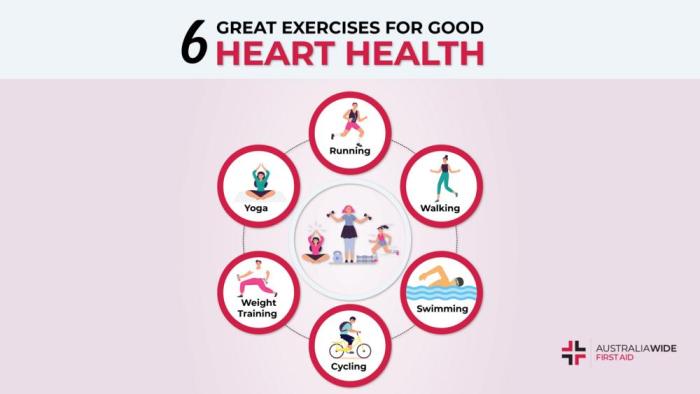
- Aerobic Exercise:Activities like brisk walking, running, cycling, swimming, and dancing that increase heart rate and improve oxygen consumption.
- Strength Training:Resistance exercises using weights or resistance bands to strengthen muscles and improve overall body function.
- Flexibility and Balance Exercises:Stretching and balance exercises to enhance flexibility, posture, and stability.
Tips for Incorporating Physical Activity into Daily Routines:
- Choose activities that you enjoy to make exercise more sustainable and fun.
- Set specific goals and create a workout schedule to stay consistent with your fitness routine.
- Make use of everyday opportunities to be active, such as taking the stairs instead of the elevator or walking during phone calls.
- Find a workout buddy or join group classes to stay motivated and accountable.
Stress Management Techniques for Heart Health
Stress can have a significant impact on heart health, leading to increased blood pressure, heart rate, and the release of stress hormones that can damage the cardiovascular system. It is crucial to adopt strategies to manage stress effectively to promote a healthy heart.
Impact of Stress on Heart Health
Stress has been linked to the development of heart disease, as it can contribute to inflammation, plaque buildup in the arteries, and irregular heart rhythms. Chronic stress can also weaken the immune system and make individuals more vulnerable to heart-related issues.
- Engage in regular physical activity to reduce stress levels and improve overall heart health.
- Practice relaxation techniques such as deep breathing, meditation, or yoga to calm the mind and body.
- Ensure an adequate amount of sleep to help the body recover from daily stressors and promote heart health.
- Seek social support from friends, family, or support groups to cope with stress and prevent negative impacts on the heart.
Connection between Stress Reduction and Improved Heart Health Outcomes
Reducing stress levels has been shown to lower blood pressure, improve blood flow to the heart, and decrease the risk of heart attacks and other cardiovascular events. By employing effective stress management techniques, individuals can enhance their heart health and overall well-being.
It is essential to prioritize stress management as part of a comprehensive approach to maintaining a healthy heart.
Quality Sleep Practices for Heart Health
Sleep is a crucial aspect of overall health, especially when it comes to heart health. Poor sleep habits have been linked to an increased risk of heart disease, high blood pressure, and other cardiovascular issues. Getting quality sleep is essential for allowing your heart to rest and recharge, as well as supporting overall well-being.
Recommended Hours of Sleep
It is recommended that adults aim for 7-9 hours of quality sleep each night for optimal heart health. Consistently getting less than 6 hours or more than 9 hours of sleep per night has been associated with an increased risk of heart problems.
Tips for Improving Sleep Quality
- Avoid caffeine and heavy meals close to bedtime.
- Establish a regular sleep schedule by going to bed and waking up at the same time each day.
- Create a relaxing bedtime routine to signal to your body that it's time to wind down.
- Keep your bedroom dark, cool, and quiet to promote better sleep.
- Avoid screens (phones, tablets, computers) at least an hour before bedtime to reduce exposure to blue light that can disrupt sleep.
Closure
In conclusion, embracing the best lifestyle practices for heart health is not just about improving your physical well-being, but also enhancing your overall quality of life. By prioritizing these practices, you pave the way for a healthier heart and a happier you.
FAQ
How do lifestyle choices impact heart health?
Lifestyle choices such as diet and exercise play a crucial role in either maintaining or deteriorating heart health. Making positive choices can lower the risk of heart diseases.
What are some examples of heart-healthy foods?
Foods like fruits, vegetables, whole grains, and lean proteins are excellent choices for maintaining heart health. These foods are rich in nutrients that support heart function.
How does stress affect heart health?
Stress can contribute to high blood pressure and heart disease. Managing stress through techniques like meditation and yoga can help improve heart health outcomes.
What is the recommended amount of sleep for heart health?
For optimal heart health, adults should aim for 7-9 hours of quality sleep per night. Consistent, restful sleep is essential for overall heart health.