Exploring the realm of wearable devices for tracking health metrics, this introduction sets the stage for a fascinating journey into the world of health technology. From monitoring vital signs to analyzing fitness data, wearable devices have redefined how we approach personal health tracking in today's digital age.
As we delve deeper into the various aspects of wearable devices and their impact on health monitoring, we uncover a wealth of information that sheds light on the importance of integrating technology with wellness practices.
Importance of Wearable Devices for Health Tracking
Wearable devices have become essential tools for individuals looking to monitor their health metrics in real-time. These devices offer a convenient and non-intrusive way to keep track of various aspects of one's health, leading to a more proactive approach to well-being.
Significance of Health Metric Tracking
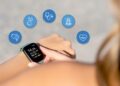
- Heart Rate: Wearable devices can monitor heart rate continuously, providing valuable insights into cardiovascular health and fitness levels.
- Activity Level: They can track daily steps, distance traveled, and calories burned, encouraging users to stay active and maintain an active lifestyle.
- Sleep Patterns: By analyzing sleep duration and quality, wearable devices help improve sleep habits and overall well-being.
- Stress Levels: Some devices offer stress tracking features, helping users manage stress and anxiety more effectively.
Revolutionizing Personal Health Tracking
Wearable devices have revolutionized personal health tracking by putting valuable health data directly into the hands of users. This real-time feedback allows individuals to make informed decisions about their lifestyle choices, leading to better health outcomes. With the integration of advanced sensors and data analytics, wearable devices have made it easier than ever to monitor and improve various health metrics without the need for frequent visits to healthcare professionals.
Popular Wearable Devices for Tracking Health Metrics
Wearable devices have become increasingly popular for tracking health metrics due to their convenience and accessibility. Let's take a look at some of the best wearable devices available in the market for health tracking.
Fitbit Versa 3
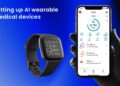
The Fitbit Versa 3 is a popular choice among users for its comprehensive health tracking features. It can monitor your heart rate, track your sleep patterns, count your steps, and even provide guided breathing sessions. The built-in GPS allows for accurate tracking of outdoor activities, making it a great companion for fitness enthusiasts.
Apple Watch Series 6
The Apple Watch Series 6 is another top contender in the wearable devices market. It offers advanced health monitoring features such as ECG and blood oxygen level measurement. The watch can also track your daily activity levels, remind you to stand up and move, and even send alerts for irregular heart rhythms.
Garmin Vivosmart 4
The Garmin Vivosmart 4 is a sleek and stylish wearable device that focuses on holistic health tracking. In addition to monitoring your heart rate and sleep quality, it also tracks your stress levels and energy levels throughout the day. The device provides insights into your overall well-being and suggests ways to improve your health habits.
Samsung Galaxy Fit 2
The Samsung Galaxy Fit 2 is a budget-friendly option that doesn't compromise on features. It can track your heart rate, sleep patterns, and daily activity levels accurately. The device also offers guided breathing exercises and notifications to keep you motivated and on track with your health goals.
User Reviews and Experiences
Users have reported positive experiences with wearable devices for health tracking. Many appreciate the convenience of having all their health metrics in one place and find the insights provided by these devices helpful in improving their overall well-being. Some users have also noted the motivation they gain from setting and achieving their health goals with the help of wearable devices.
Accuracy and Reliability of Health Metrics Tracked by Wearable Devices
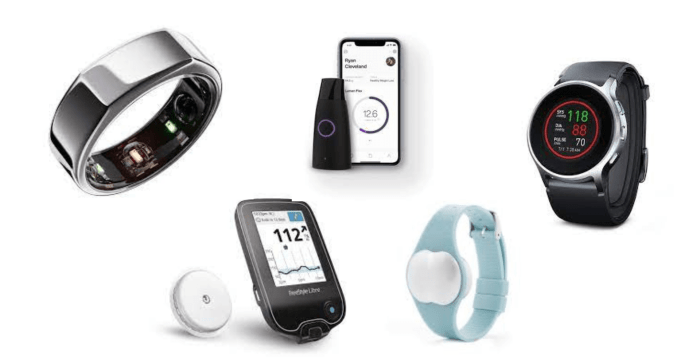
Wearable devices have become increasingly popular for tracking health metrics, but it is essential to understand the accuracy and reliability of the data they provide.
Evaluating Accuracy of Health Metrics
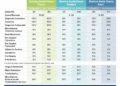
- Check the sensors: Ensure that the wearable device has accurate sensors for measuring metrics like heart rate, sleep patterns, and activity levels.
- Compare with traditional methods: Cross-reference the data collected by the wearable device with measurements taken by traditional medical devices to assess accuracy.
- Consider user feedback: Look for reviews and feedback from other users to gauge the accuracy of the health metrics tracked by the wearable device.
Factors Affecting Reliability of Data
- Device placement: The accuracy of health metrics can be affected by how the device is worn or positioned on the body.
- Environmental factors: External conditions like temperature, humidity, and movement can impact the reliability of data collected by wearable devices.
- Software updates: Regularly update the device's software to ensure accurate tracking of health metrics.
Tips for Ensuring Accurate Health Tracking
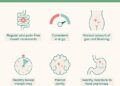
- Calibrate the device: Follow the manufacturer's instructions to calibrate the wearable device for optimal accuracy.
- Consistent wear: Wear the device consistently and according to the manufacturer's recommendations to ensure reliable data collection.
- Regular maintenance: Keep the wearable device clean and well-maintained to prevent any interference with the sensors and maintain accuracy.
Integration of Wearable Devices with Health Apps and Platforms
Wearable devices play a crucial role in tracking health metrics, but their true potential is unlocked when they seamlessly integrate with health apps and platforms. This integration allows for a more comprehensive analysis of the data collected by wearable devices, providing users with valuable insights and actionable information to improve their health and well-being.
Benefits of Syncing Wearable Devices with Health Apps
- Centralized Data Management: By syncing wearable devices with health apps, users can centralize all their health data in one place, making it easier to track progress and identify trends over time.
- Personalized Recommendations: Health apps can analyze the data from wearable devices to provide personalized recommendations for diet, exercise, and sleep patterns based on individual health goals.
- Real-time Monitoring: Integration with health apps enables real-time monitoring of vital health metrics, allowing users to stay informed about their health status throughout the day.
- Goal Setting and Progress Tracking: Users can set specific health goals within the app and track their progress using data collected from wearable devices, motivating them to stay on track.
Challenges and Limitations of Integrating Wearable Devices with Different Platforms
- Compatibility Issues: Different wearable devices may have limited compatibility with certain health apps and platforms, leading to data syncing issues and incomplete data analysis.
- Data Privacy Concerns: Sharing health data from wearable devices to third-party apps and platforms raises concerns about data privacy and security, as users may be hesitant to disclose sensitive information.
- User Experience: The user experience of integrating wearable devices with health apps can vary depending on the design and functionality of the platforms, impacting the overall usability and effectiveness of the tracking system.
- Data Accuracy: Inaccurate data collected by wearable devices can affect the quality of analysis and recommendations provided by health apps, leading to misleading insights and potentially harmful advice.
Epilogue
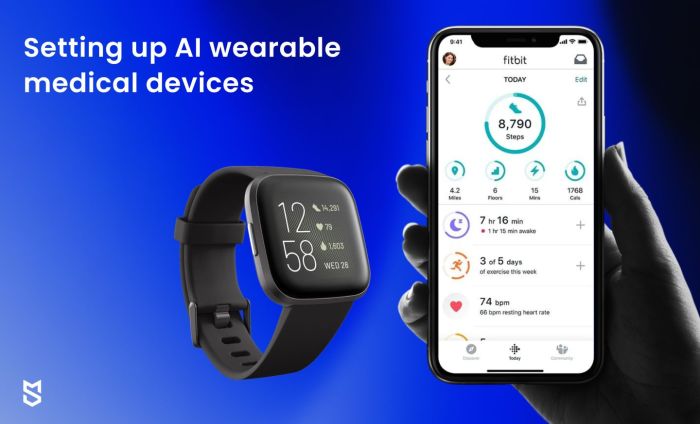
In conclusion, the discussion on wearable devices for tracking health metrics not only highlights the advancements in health technology but also underscores the importance of leveraging these tools for a holistic approach to personal well-being. By embracing the capabilities of wearable devices, individuals can take proactive steps towards optimizing their health and fitness goals.
Popular Questions
Are wearable devices accurate in tracking health metrics?
Wearable devices vary in accuracy depending on the sensors used and calibration. It's essential to choose reputable brands for more reliable data.
Can wearable devices track sleep patterns effectively?
Yes, many wearable devices are equipped with sensors that can monitor sleep stages like REM and deep sleep, providing valuable insights for improving sleep quality.
Do all wearable devices sync seamlessly with health apps?
While most wearable devices offer integration with popular health apps, compatibility issues may arise with certain platforms. It's advisable to check compatibility before purchase.