Delving into the intricate relationship between your lifestyle choices and gut health, this exploration sheds light on the profound impact of everyday habits on your body's inner workings. From diet to stress management, each aspect plays a crucial role in shaping the health of your gut microbiome.
As we navigate through the realms of diet, exercise, hydration, and medications, we uncover the secrets to nurturing a thriving gut ecosystem for overall well-being.
Lifestyle Factors and Gut Health
Maintaining a healthy gut is essential for overall well-being, and several lifestyle factors can significantly impact gut health.
Diet and Gut Health
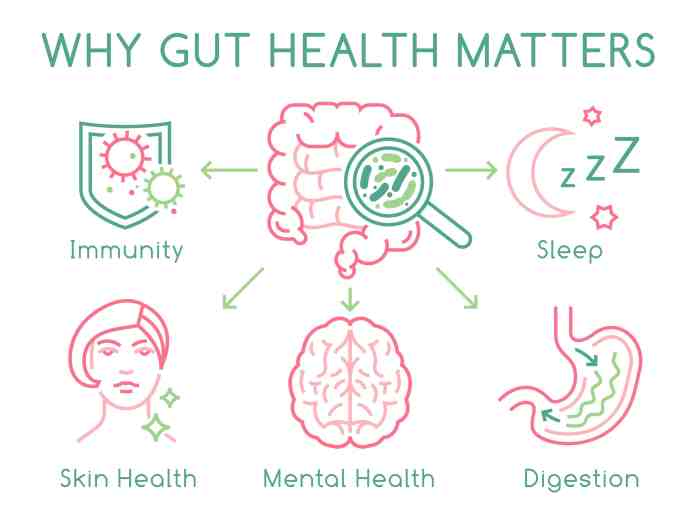
One of the most influential factors in gut health is diet. The food we consume directly affects the composition of our gut microbiome, which plays a crucial role in digestion, immunity, and overall health. A diet rich in fiber, fruits, vegetables, and fermented foods promotes a diverse and healthy gut microbiota, leading to better gut function and overall well-being.
Stress and the Gut Microbiome
Stress can have a profound impact on the gut microbiome. High levels of stress can disrupt the balance of beneficial bacteria in the gut, leading to inflammation and digestive issues. Chronic stress can weaken the intestinal barrier, making it more permeable and allowing harmful substances to enter the bloodstream, potentially triggering immune responses and further impacting gut health.
Importance of Sleep for Gut Health
Sleep plays a crucial role in maintaining a healthy gut. During sleep, the body undergoes repair and regeneration processes, including the gut. Lack of quality sleep can disrupt the circadian rhythm of the gut microbiota, leading to imbalances and potential negative effects on gut health.
Prioritizing good sleep hygiene and ensuring an adequate amount of rest is essential for supporting a healthy gut.
The Role of Exercise in Gut Health
Regular exercise is not only beneficial for your physical health but also plays a crucial role in maintaining a healthy gut. Different types of exercise can influence the diversity and abundance of gut bacteria, which in turn can impact various aspects of your overall health.
Types of Exercise and Gut Bacteria
Regular aerobic exercise, such as running, cycling, or swimming, has been shown to increase the diversity of gut bacteria. This can help promote a more balanced gut microbiome, which is essential for digestion and immune function. On the other hand, resistance training, like weightlifting, can also have positive effects on gut health by reducing inflammation and improving gut barrier function.
Examples of Exercises for Gut Health
Cardiovascular activities
Running, cycling, swimming
Strength training
Weightlifting, bodyweight exercises
Yoga and Pilates
Improve digestion and reduce stress
Connection Between Exercise and Gut Health
Physical activity has been linked to a balanced gut microbiome, which is associated with better overall health outcomes. Exercise can help reduce inflammation in the gut, improve gut motility, and enhance the production of beneficial short-chain fatty acids. Incorporating regular exercise into your routine can be a key factor in maintaining a healthy gut and supporting your overall well-being.
Hydration and Gut Health
Proper hydration is crucial for maintaining a healthy gut. Water intake plays a significant role in supporting gut function and overall digestive health.
Benefits of Staying Adequately Hydrated for Gut Health
- Helps in digestion: Water aids in the breakdown of food and absorption of nutrients in the digestive system.
- Prevents constipation: Staying hydrated ensures smooth bowel movements and helps prevent constipation.
- Supports gut flora: Sufficient water intake promotes a healthy balance of beneficial bacteria in the gut.
- Flushes out toxins: Hydration helps in removing waste and toxins from the body through proper elimination.
Tips for Ensuring Proper Hydration for a Healthy Gut
- Drink an adequate amount of water throughout the day, aiming for at least 8-10 glasses.
- Include hydrating foods in your diet, such as fruits and vegetables with high water content.
- Avoid excessive consumption of dehydrating beverages like alcohol and caffeine.
- Carry a water bottle with you to remind yourself to drink water regularly.
- Monitor your hydration by paying attention to urine color - clear or light yellow indicates proper hydration.
Impact of Medications on Gut Health
Medications play a crucial role in managing various health conditions, but they can also have a significant impact on gut health. It's essential to understand how certain medications can disrupt the delicate balance of the gut microbiome and affect overall digestive health.
Antibiotics and Gut Microbiome Disruption
Antibiotics are commonly prescribed to treat bacterial infections, but they can also kill off beneficial bacteria in the gut along with the harmful ones. This disruption of the gut microbiome can lead to digestive issues such as diarrhea, bloating, and changes in bowel habits.
It's important to take probiotics or eat fermented foods to help restore the balance of gut bacteria after a course of antibiotics.
Effects of Painkillers on Gut Health
Common pain medications like NSAIDs (nonsteroidal anti-inflammatory drugs) can damage the lining of the stomach and intestines, leading to ulcers and gastrointestinal bleeding. Long-term use of these medications can also disrupt the gut microbiome and increase the risk of developing conditions like leaky gut syndrome.
It's advisable to use painkillers sparingly and under the guidance of a healthcare provider to minimize their negative impact on gut health.
Strategies to Mitigate the Negative Impact of Medications on the Gut
- Always follow the prescribed dosage and duration of medication to reduce the risk of side effects on gut health.
- Incorporate fiber-rich foods like fruits, vegetables, and whole grains in your diet to support a healthy gut microbiome.
- Stay hydrated by drinking plenty of water throughout the day to help flush out toxins and maintain proper digestion.
- Consider taking probiotic supplements to replenish beneficial gut bacteria when necessary.
- Consult with a healthcare professional or a registered dietitian to develop a personalized plan to protect your gut health while taking medications.
Final Wrap-Up
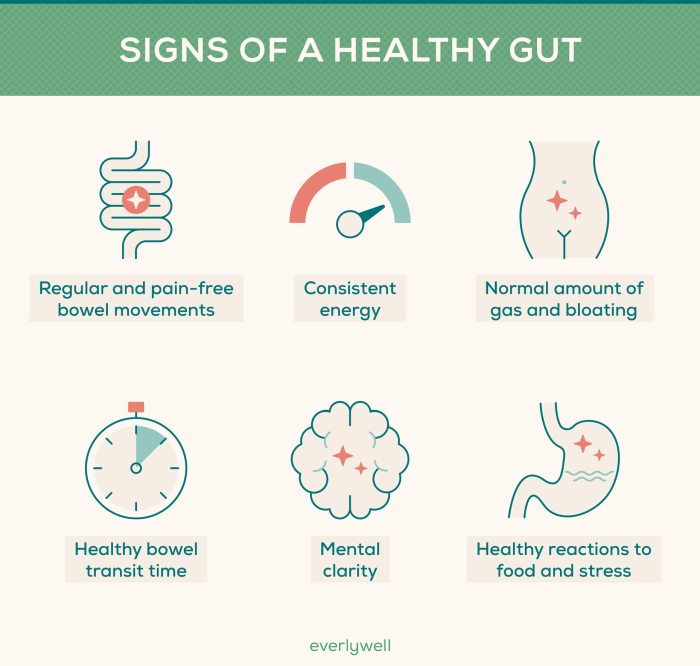
In conclusion, understanding the profound influence of lifestyle on gut health unveils a new realm of self-care possibilities. By making mindful choices in our daily routines, we hold the power to cultivate a harmonious balance within our bodies, starting from the core of our gut health.
Answers to Common Questions
How does stress impact gut health?
Stress can disrupt the balance of gut bacteria, leading to digestive issues and inflammation.
What exercises are beneficial for gut health?
Aerobic exercises like jogging and cycling can promote a healthy gut microbiome.
Why is hydration important for gut health?
Adequate hydration supports proper digestion and helps maintain a healthy gut lining.
How do antibiotics affect the gut microbiome?
Antibiotics can kill beneficial gut bacteria, disrupting the microbial balance in the gut.
What strategies can mitigate the negative impact of medications on gut health?
Consuming probiotics and maintaining a balanced diet can help counteract the effects of medications on gut health.