In today's interconnected world, access to quality healthcare knows no boundaries. Explore the top telehealth platforms for global patients, revolutionizing the way healthcare is delivered worldwide.
Delve into the features, communication capabilities, and pricing models of these innovative platforms, paving the path for a new era in patient care.
Top telehealth platforms for global patients
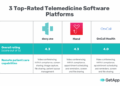
Telehealth platforms have become increasingly popular, especially for global patients seeking convenient and accessible healthcare services. These platforms offer a wide range of features to ensure seamless communication between patients and healthcare providers worldwide. Let's explore the top 5 telehealth platforms catering to global patients and their key features.
1. Teladoc
Teladoc is a leading telehealth platform that provides virtual healthcare services to patients worldwide. Key features include on-demand medical consultations, 24/7 access to healthcare professionals, and the ability to schedule appointments with specialists. Teladoc ensures seamless communication through secure messaging and video appointments, making it easy for patients to connect with healthcare providers.
2. Amwell
Amwell offers telehealth services to global patients, with features such as virtual doctor visits, mental health counseling, and prescription refills. The platform ensures seamless communication through live video consultations and secure messaging, allowing patients to receive quality healthcare from the comfort of their own homes.
3. Doctor on Demand
Doctor on Demand is another top telehealth platform that caters to global patients. Key features include access to board-certified physicians, psychologists, and lactation consultants. The platform ensures seamless communication through video visits and messaging, with the option to schedule appointments at a time that is convenient for the patient.
4. HealthTap
HealthTap offers virtual healthcare services to global patients, with features such as online doctor consultations, personalized treatment plans, and access to a network of healthcare professionals. The platform ensures seamless communication through video appointments and secure messaging, making it easy for patients to receive the care they need.
5. MDLIVE
MDLIVE is a telehealth platform that provides virtual medical and behavioral health services to global patients. Key features include on-demand doctor visits, therapy sessions, and prescription delivery. The platform ensures seamless communication through secure video consultations and messaging, allowing patients to access healthcare services from anywhere in the world.These telehealth platforms offer a variety of pricing and subscription models to cater to the needs of global patients.
From pay-per-visit options to monthly subscriptions, patients can choose a plan that fits their budget and healthcare needs. Overall, these platforms are revolutionizing the way healthcare is delivered to patients worldwide, making quality care more accessible and convenient than ever before.
User experience and interface design
The user experience design of telehealth platforms for global patients plays a crucial role in ensuring seamless access to healthcare services regardless of geographical boundaries. These platforms are designed to be user-friendly, intuitive, and accessible to individuals from diverse cultural backgrounds, making it easier for patients to navigate and utilize the available features.
Enhancing accessibility for patients from diverse cultural backgrounds
The interface design of telehealth platforms incorporates elements that cater to the needs of patients from various cultural backgrounds. This includes features such as language preferences, culturally sensitive content, and intuitive navigation that accommodates different cultural norms and values. By providing a welcoming and inclusive interface, these platforms create a more personalized and comfortable experience for global patients seeking healthcare services.
Role of multilingual support in improving user experience
Multilingual support is a key component of telehealth platforms that significantly enhances the user experience for global patients. By offering language options beyond English, these platforms break down language barriers and ensure that patients can communicate effectively with healthcare providers.
Multilingual support also helps in building trust and rapport between patients and providers, leading to better health outcomes and overall satisfaction with the telehealth experience
Innovative features for improved usability
Telehealth platforms incorporate innovative features that enhance the overall usability for global patients. Examples include virtual waiting rooms, secure messaging systems, video consultations, appointment scheduling tools, and personalized health records. These features streamline the healthcare delivery process, increase convenience for patients, and improve communication between patients and providers.
By leveraging technology and user-centered design principles, telehealth platforms continue to evolve and innovate to meet the diverse needs of global patients.
Security and privacy measures
Ensuring the security and privacy of patient data is paramount for telehealth platforms serving global patients. These platforms implement a range of security measures to protect sensitive information and comply with international privacy regulations.
Data Encryption
Telehealth platforms utilize encryption technologies to secure communication between patients and healthcare providers. By encrypting data, such as video calls, messages, and medical records, platforms can prevent unauthorized access and maintain the confidentiality of patient information.
Compliance with Regulations
Adhering to international privacy regulations, such as GDPR and HIPAA, is crucial for telehealth platforms to build trust with global patients. Compliance ensures that patient data is handled ethically and legally, reducing the risk of data breaches and protecting individuals' privacy rights.
Security Breaches and Improvements
While telehealth platforms strive to maintain robust security measures, there have been instances of security breaches in the past. These incidents have prompted platforms to enhance their security protocols, implement multi-factor authentication, conduct regular security audits, and provide ongoing training to staff to prevent future breaches.
Telehealth adoption and future trends
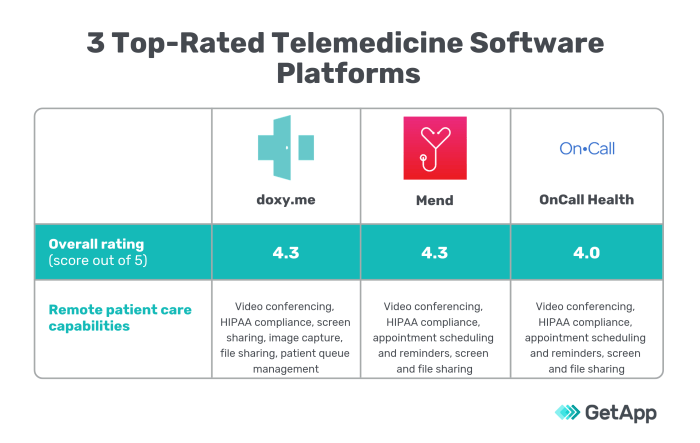
The adoption of telehealth services by global patients and healthcare providers has been steadily increasing in recent years. This trend is driven by the convenience, accessibility, and cost-effectiveness of telehealth solutions, especially in remote or underserved areas.
Challenges in Telehealth Adoption
Despite the growing popularity of telehealth, patients in different regions face various challenges when it comes to adopting telehealth services. These challenges may include limited access to technology, internet connectivity issues, language barriers, and concerns about the quality of care provided remotely.
Healthcare providers also encounter obstacles such as regulatory restrictions, reimbursement policies, and resistance to change within traditional healthcare systems.
Future Trends in Telehealth Technology
Looking ahead, telehealth technology is expected to continue evolving to meet the changing needs of global patient care. Future trends may include the integration of artificial intelligence and machine learning algorithms for more accurate diagnosis and treatment recommendations, the use of wearable devices for remote monitoring of patient health data, and the expansion of virtual reality applications for immersive telehealth experiences.
Potential Benefits and Drawbacks of Widespread Telehealth Adoption
The widespread adoption of telehealth on a global scale offers numerous benefits, such as increased access to healthcare services, improved patient outcomes, reduced healthcare costs, and enhanced convenience for both patients and providers. However, there are also potential drawbacks to consider, such as data privacy concerns, the digital divide exacerbating healthcare disparities, and the loss of in-person interactions that are crucial for building trust and rapport between patients and healthcare professionals.
Last Recap
As we conclude our journey through the realm of telehealth platforms for global patients, it's evident that the future of healthcare is digital. Embrace these advancements and witness firsthand the transformative power they hold in enhancing patient experiences across the globe.
FAQ
How do telehealth platforms cater to global patients?
Telehealth platforms offer multilingual support, ensuring easy communication for patients from diverse backgrounds.
What security measures do telehealth platforms have in place?
Platforms utilize encryption technologies to safeguard patient data and comply with international privacy regulations.
Are there any challenges in adopting telehealth services globally?
Some challenges include varying regulations across regions and ensuring universal access to telehealth services.