Exploring the realm of Workplace wellness programs that boost productivity opens up a world of possibilities for organizations looking to enhance their workforce's performance and well-being. This guide delves into the benefits, components, implementation strategies, and measuring techniques of such programs, offering valuable insights for creating a thriving workplace environment.
As we navigate through the intricacies of workplace wellness programs, the significance of employee health and engagement in driving productivity becomes increasingly apparent.
Benefits of Workplace Wellness Programs
Workplace wellness programs play a crucial role in enhancing productivity among employees by prioritizing their physical and mental well-being. When employees are healthy and happy, they are more focused, engaged, and motivated to perform at their best.
Reduced Absenteeism and Presenteeism
Implementing wellness initiatives such as on-site fitness classes, mental health workshops, and healthy eating programs can significantly reduce absenteeism and presenteeism. This results in fewer sick days taken by employees and increased overall productivity.
Improved Employee Morale
Wellness programs that promote a positive work environment and support employee well-being lead to improved morale. When employees feel valued and supported, they are more likely to be satisfied with their jobs, resulting in higher productivity levels.
Enhanced Focus and Concentration
Encouraging activities like mindfulness meditation sessions or stress management workshops can help employees better manage their emotions and stress levels. This, in turn, enhances their focus and concentration at work, leading to increased productivity.
Boosted Employee Engagement
Wellness programs create opportunities for team building and social interactions among employees. When employees feel connected and engaged with their colleagues, they are more likely to collaborate effectively, communicate efficiently, and work towards common goals, ultimately boosting productivity.
Components of Effective Workplace Wellness Programs
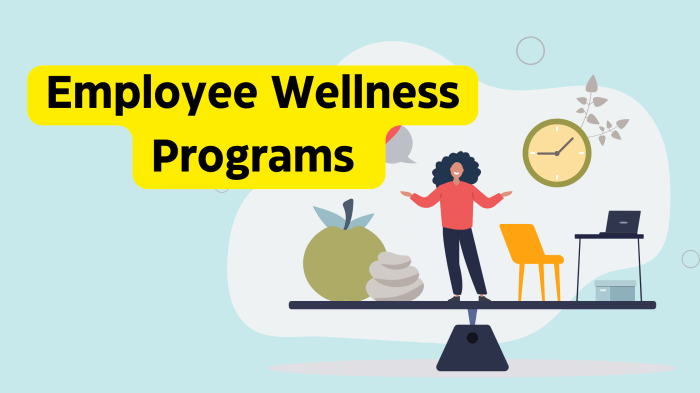
Workplace wellness programs are a key strategy for improving employee well-being and boosting productivity. To ensure the success of such programs, several essential components need to be in place.
Physical Health
One of the core components of a workplace wellness program is promoting physical health. This can include initiatives such as gym memberships, fitness classes, healthy eating options, and ergonomic workstations. By encouraging employees to prioritize their physical health, organizations can reduce absenteeism, improve energy levels, and enhance overall productivity.
Mental Health
Addressing mental health is equally important in a wellness program. Providing access to counseling services, stress management resources, mindfulness programs, and mental health days can help employees cope with work-related stress and maintain a positive mindset. A focus on mental well-being can lead to increased focus, creativity, and problem-solving skills among employees.
Work-Life Balance
Promoting work-life balance is another key component of an effective wellness program. Offering flexible work hours, remote work options, and paid time off encourages employees to prioritize their personal lives and recharge. When employees feel supported in achieving a healthy balance between work and life, they are likely to be more engaged, motivated, and productive
Incentives and Rewards
Incentives and rewards can serve as powerful motivators for employees to participate in wellness programs. From gift cards and bonus days off to recognition and prizes, these incentives can encourage employees to take an active role in improving their health and well-being.
By offering tangible rewards for participation and achievement, organizations can create a culture of wellness and drive sustained engagement.
Implementing Workplace Wellness Programs
Implementing workplace wellness programs effectively is crucial for the overall success of such initiatives within organizations. It requires careful planning, clear communication, and active involvement from leadership to ensure employee engagement and participation.
Importance of Leadership Support
Leadership support is essential in promoting a culture of well-being in the workplace. When leaders prioritize employee health and wellness, it sets a positive example for the rest of the organization. Leaders can demonstrate their support by actively participating in wellness activities, providing resources, and encouraging open communication about well-being.
Best Practices for Engaging Employees
- Communicate Effectively: Clearly communicate the goals and benefits of the wellness program to employees at all levels.
- Provide Varied Options: Offer a range of wellness activities to cater to different interests and preferences.
- Encourage Participation: Create incentives or recognition programs to motivate employees to take part in wellness initiatives.
- Lead by Example: Encourage leaders and managers to participate in wellness activities and promote a healthy work-life balance.
- Collect Feedback: Regularly gather feedback from employees to assess the effectiveness of the wellness program and make adjustments as needed.
Measuring the Impact of Workplace Wellness Programs
Measuring the impact of workplace wellness programs is crucial to understanding their effectiveness in improving productivity and employee well-being.
Using Data and Analytics to Track Impact
Employers can utilize data and analytics to track the impact of wellness initiatives on employee performance. By collecting and analyzing data related to absenteeism rates, healthcare costs, and productivity levels before and after implementing wellness programs, organizations can measure the success of their initiatives.
Significance of Feedback and Surveys
Feedback and surveys play a vital role in evaluating the success of workplace wellness programs. By gathering feedback from employees about their experiences with wellness initiatives, employers can gain insights into what is working well and what areas need improvement.
Surveys can also help in measuring employee engagement and satisfaction levels, providing valuable information on the effectiveness of wellness programs.
Wrap-Up
In conclusion, Workplace wellness programs that boost productivity serve as a cornerstone for organizations seeking to maximize their employees' potential and create a culture of holistic well-being. By prioritizing the health and happiness of their workforce, companies can unlock unprecedented levels of productivity and success.
FAQ Compilation
How do workplace wellness programs directly impact productivity?
Workplace wellness programs enhance productivity by improving employee health, reducing absenteeism, and boosting morale, leading to increased efficiency and performance.
What are some effective incentives for encouraging employee participation in wellness programs?
Offering rewards like gift cards, extra time off, or customized wellness plans can motivate employees to actively engage in workplace wellness initiatives.
How can organizations effectively measure the success of their wellness programs?
Organizations can measure the impact of wellness programs through employee feedback, performance metrics, health assessments, and tracking absenteeism rates.